

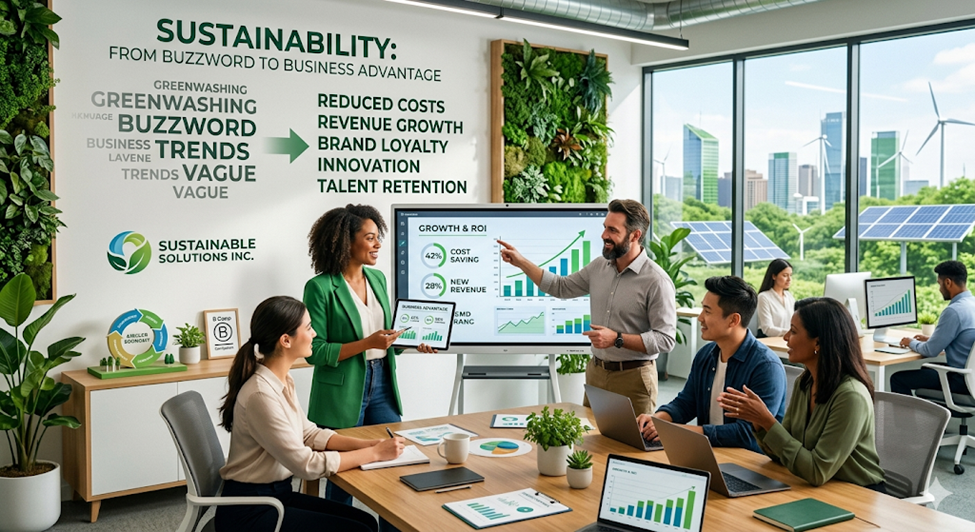
Sustainability is no longer a side conversation reserved for annual reports and corporate social responsibility pages. It has become a core business priority that influences strategy, operations, reputation, investment, and long-term growth. For consulting companies and the clients they serve, sustainability is now about practical action: reducing risk, improving efficiency, meeting stakeholder expectations, and building more resilient organizations.
Businesses across industries are being asked to do more with less while also demonstrating environmental and social responsibility. Customers want transparency. Investors want accountability. Employees want purpose. Regulators want measurable progress. In this environment, sustainability is not just about “doing the right thing.” It is about staying competitive in a rapidly changing market.
What Sustainability Really Means in Business
In a business context, sustainability means creating long-term value without compromising future resources, communities, or economic stability. It includes environmental concerns such as energy use, emissions, waste, and resource management. It also includes social and governance considerations, from labor practices and diversity to ethics, compliance, and leadership accountability.
A strong sustainability strategy connects these areas to business performance. It helps organizations identify where they can operate more efficiently, where risks may emerge, and where innovation can create new value. Rather than treating sustainability as a separate initiative, leading companies integrate it into decision-making at every level.
Why Sustainability Matters Now
The urgency around sustainability has grown because the business landscape has changed. Companies are facing rising energy costs, evolving regulations, supply chain disruptions, and greater public scrutiny. At the same time, markets are rewarding organizations that can show resilience, adaptability, and responsible leadership.
Sustainability helps businesses respond to these pressures in meaningful ways:
- Operational efficiency: Reducing energy use, minimizing waste, and optimizing resources can lower costs and improve margins.
- Risk management: Sustainable practices can help organizations anticipate regulatory, environmental, and supply chain risks before they become major disruptions.
- Brand reputation: Companies that demonstrate real commitment to sustainability often build stronger trust with customers, investors, and partners.
- Talent attraction and retention: Employees increasingly want to work for organizations whose values align with their own.
- Innovation and growth: Sustainability often drives fresh thinking, better product design, and new business opportunities.
Common Misconceptions About Sustainability
One of the biggest barriers to progress is the belief that sustainability is expensive, complicated, or only relevant to large global corporations. In reality, sustainability can start with small, measurable changes that produce meaningful results over time.
Another misconception is that sustainability is mainly about marketing. While some companies have treated it that way, stakeholders are now looking beyond claims and asking for evidence. Real sustainability requires data, strategy, and accountability. It is not about saying the right things. It is about making better decisions and proving impact.
There is also a tendency to think sustainability slows business down. In practice, the opposite is often true. When approached strategically, it can streamline operations, strengthen governance, and help organizations move forward with greater clarity and resilience.
How Consulting Firms Help Drive Sustainability
Consulting firms play an important role in helping organizations move from intention to execution. Many businesses understand that sustainability matters, but they struggle with where to begin, how to prioritize initiatives, or how to measure success. This is where experienced advisory support can make a difference.
A consulting-led sustainability approach often includes:
- Assessing the current state
Organizations need a clear view of their existing environmental, social, and governance practices, along with the risks and opportunities tied to them. - Defining strategic priorities
Not every initiative delivers the same value. A focused sustainability roadmap helps businesses align efforts with their goals, industry realities, and stakeholder expectations. - Embedding sustainability into operations
Sustainability becomes effective when it is integrated into procurement, supply chain management, reporting, technology, and day-to-day decision-making. - Measuring and reporting progress
Clear metrics and transparent reporting help organizations track impact, build credibility, and continuously improve. - Supporting change management
Lasting progress depends on leadership alignment, employee engagement, and a culture that supports new ways of thinking and operating.
Turning Strategy Into Action
A successful sustainability journey starts with a practical mindset. Businesses do not need to solve everything at once. They need to identify the areas where they can make the biggest difference and then take structured, consistent action.
That could mean improving energy efficiency across facilities, reviewing supplier standards, reducing waste in core processes, strengthening governance frameworks, or building more transparent reporting practices. What matters most is that sustainability efforts are linked to real business outcomes and supported by leadership commitment.
The most effective strategies are realistic, data-informed, and tailored to the organization’s size, sector, and goals. There is no one-size-fits-all model. Sustainability works best when it reflects the unique context of the business.
Sustainability as a Long-Term Value Driver
The companies that lead in the years ahead will be those that understand sustainability as a business discipline, not a branding exercise. They will use it to build resilience, unlock efficiencies, strengthen trust, and prepare for a future in which responsible business practices are increasingly expected.
For consulting firms, sustainability is also an opportunity to guide clients through transformation with clarity and confidence. By helping businesses define priorities, implement practical solutions, and measure progress, consultants can turn a complex challenge into a strategic advantage.
Sustainability is not a passing trend. It is a defining business issue of our time. The organizations that act now will be better positioned to create lasting value for their stakeholders, their communities, and the future.